Posted in Digital Citizenship, Media Literacy, Netiquette, Trending technology

Screenagers

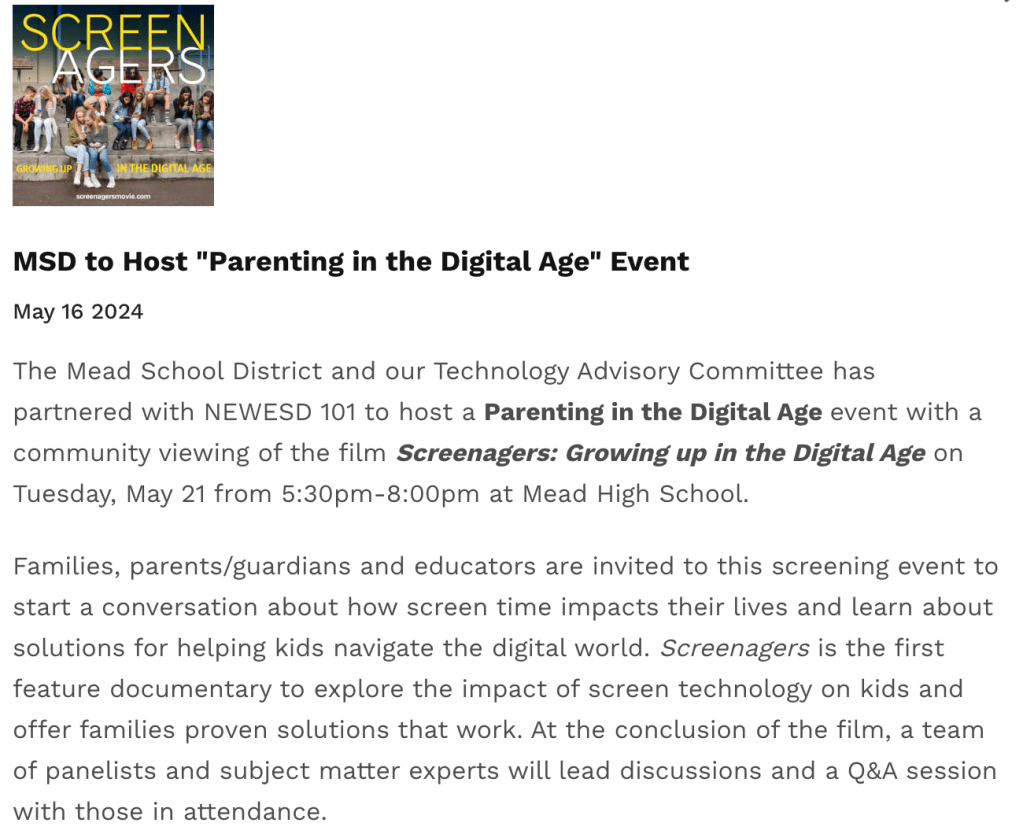
I am so pleased that the Mead School District is offering “Parenting in the Digital Age” to our community this week. Educators and teachers need to understand the impacts of screen dependency (this is a lighter word than addiction) and the huge potential and risks of social media on this generation of K-12 students. I know teachers can be considered part of the problem because of our own dependence on screens to deliver exciting and engaging content.

“But you need me to help teach the CORRECT way to interact with technology, I’m teaching you digital citizenship….” I justify.

We used Chromebooks and Zoom as an academic and pseudo-social lifeline during the first chapter of Covid 19 Pandemic virtual school. Even the families most leery of computer-based learning were forced at that time to adapt to the foreign new landscape of digital communication. In any case, there is an urgency for both parents and educators to understand screen dependency and partner with our students to appropriately and thoughtfully navigate our digital world.

Please work to attend the very important event centered around the documentary, “Screenagers” at Mead High School on May 21, 2024.

Click here to watch the trailer for SCREENAGERS .

Posted in Digital Citizenship, Media Literacy, Netiquette, Technology Expectations, Trending technology

Media Literacy

Media Literacy is a 21st-century approach to education. It provides a framework to access, analyze, evaluate, create and participate with messages in a variety of forms — from print to video to the Internet. Media literacy builds an understanding of the role of media in society as well as essential skills of inquiry and self-expression necessary for citizens of a democracy.” ~ Center for Media Literacy 

This video below (starring Joey Papa, who I didn’t previously know, but now respect) is short, compelling and starts the conversation I’m having this week (and, really, I touch on the topic weekly, be it with discussions of literature, digital citizenship, or online safety. 

What IS Media Literacy?

Screen Shot 2019-10-16 at 3.43.25 PM

“Media literacy is the ability to ACCESSANALYZEEVALUATE,  CREATE, and ACT using all forms of communication. In its simplest terms, media literacy builds upon the foundation of traditional literacy and offers new forms of reading and writing. Media literacy empowers people to be critical thinkers and makers, effective communicators and active citizens.” ~ NAMLE (National Association for Media Literacy Education)

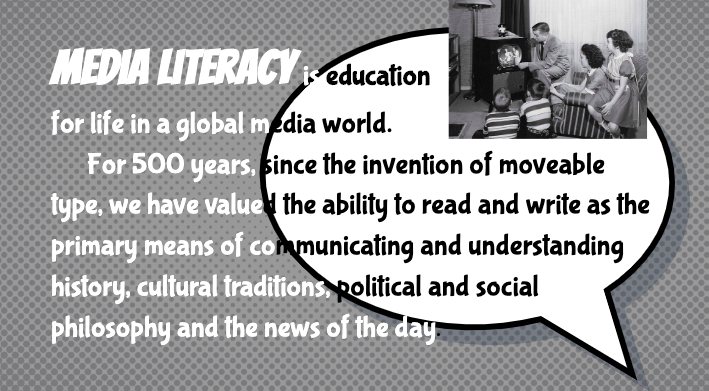
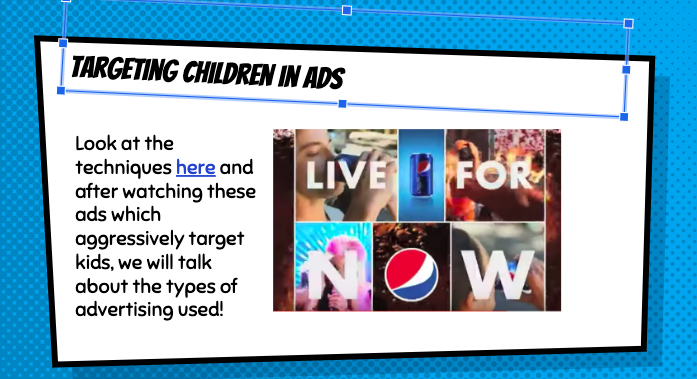
Here are a few slides from the Media Literacy lesson I’m presenting with the 4th and 5th graders.


Screen Shot 2019-10-18 at 10.36.14 AM
Slide from class presentation

Screen Shot 2019-10-18 at 10.37.04 AM
Another slide from class presentation

“Media Literacy describes the act of being capable of handling different forms of media and being competent, critical and literate.” ~ Urban Dictionary (Defined with no swears! That’s pretty rare, actually!)

If you want to go deeper into the myriad elements of “media literacy” here is the CML’s “glossary.”

#MediaLitWk


Happy New (School) Year!

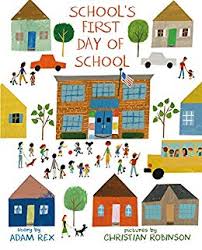
schools first day of school
This picture book is WONDERFUL! By  Adam Rex, the award-winning illustrator of The Day the Crayons Quit. 

The Midway Sharks are a little younger this year, which means more malleable minds with which to develop a lifetime love of reading! Because our sixth graders moved to the Sixth Grade Center, we had extra classrooms which now house active, curious kindergarten and first graders! While it is more challenging to teach first graders how to sign in to Chromebooks (picture the GIF below, but a 6-year-old version.) it is delightful to hear them giggle and watch them marvel listening to a thoughtful, funny and rich picture book. (PS Reading aloud with different voices 

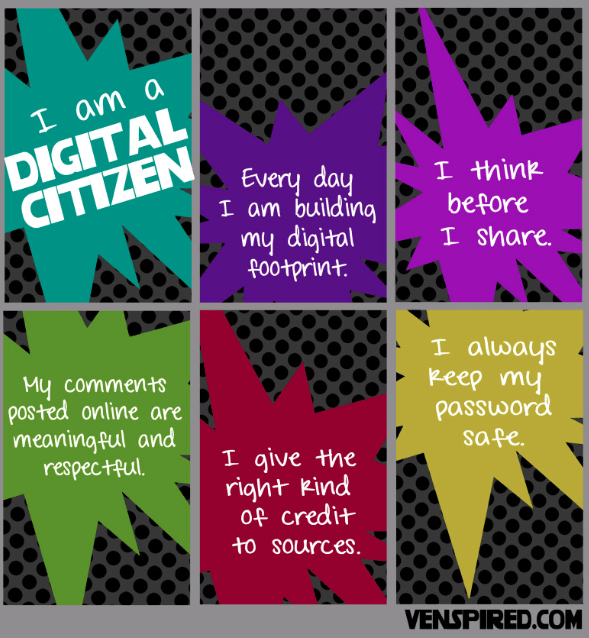
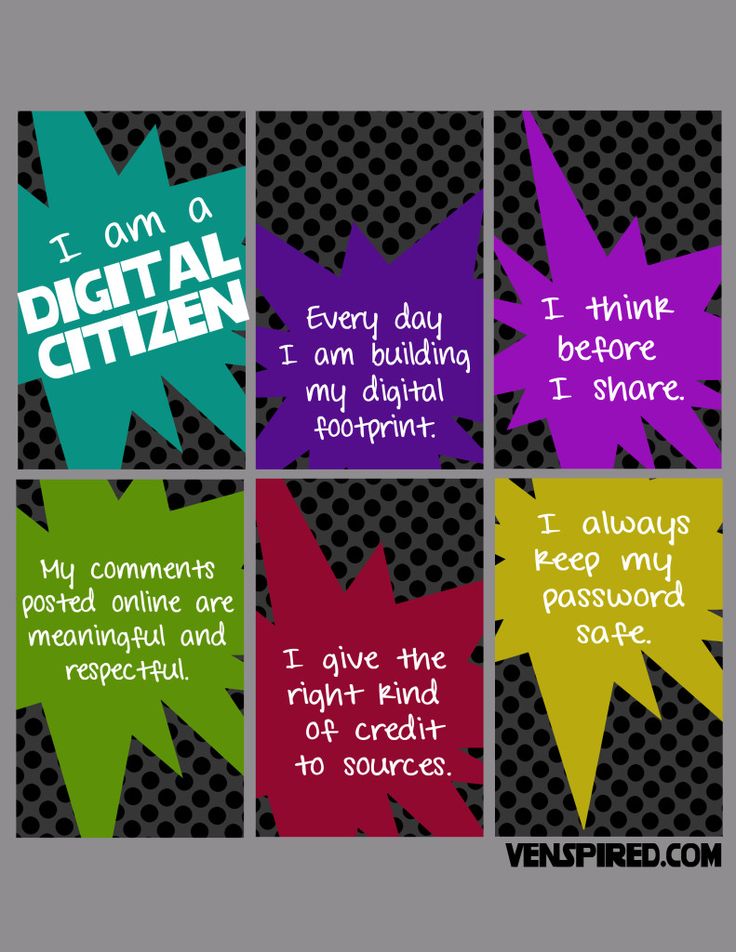
computer rageis my favorite thing in the WORLD) We are learning how to hold, identify, categorize and generally take care of books and electronics, as well as take care of our classmates and communities by being good citizens in real life and online. Digital Citizenship is the main guideline for 4th grade, but I begin to touch on it early, as all of our young students now have access to online devices.

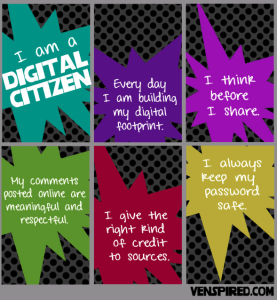
dig cits

We are beginning to promote the upcoming book fair, which begins September 30. The book fairs are always very successful community events because our families value books, have a positive background with literacy and are engaged in their students’ activities and interests. And we all love a fun community event!  As we did last year, our Grandparents morning celebration will coincide with the book fair this year, also, on Wednesday, October 1. Thank you for your support and partnership in raising readers and thoughtful digital citizens.

Arctic Adventure Book Fair
Coming to Midway September 30-October 3 (with a last-minute grab before school on Friday, Oct 4)


Posted in Digital Citizenship

Digital Citizenship Begins Now!

This week we will be venturing into Chromebook sign-in. This is a very grown-up concept for first graders, because signing in with their usernames and passwords is number and letter-focused task that isn’t correlated AT ALL with ABC order. Further complicating the process is that first graders are so proud to type the letters of their first name, not the first four of their last name with some random digits. What’s WONDERFUL this year is that we now have the “@mead354.org” is already auto-filled. So I don’t have to teach “SHIFT 2” for @. It is a fantastic development, trust me. Once they get the hang of it, the students are so excited to have access to their own Gmail account, even though we won’t be using it for a few years. 🙂 We will begin, with K and 1st graders, with lessons on going on using the internet safely.

https://www.commonsense.org/education/lesson/going-places-safely-k-2

for K-2, I use the Commonsense Media Digital Citizenship lessons, which begin with the basics of treating people well in person and online and not answering questions about personal information. I will also touch on whether or not websites are reliable in second grade, but not much beyond that. I will also send home a few family activities which I will encourage you to complete with your students. Here is an introduction about WHY we teach the Digital Citizenship curriclum, from the website, http://www.commonsensemedia.org Consider it MY pitch! (But appreciate that I am citing my source which is a vital part of being a good digital citizen!)

The digital world that our kids are learning and growing up in is incredibly exciting. Through technology, kids have access to new tools, to an incredible range of resources, and to stimulating opportunities to participate in novel ways. At the same time, parenting kids who are immersed in so many different technologies and apps can be daunting. I know our school is already working to make sure students cultivate the 21st-century skills they need. I’m writing to communicate my interest in and enthusiasm for bringing parents into the conversation about kids’ digital lives. I believe that a joint effort between parents and teachers is a valuable way to more fully supporting the students and families in our community. I encourage you to take a look at a free new program from Common Sense Education. Common Sense is a nationally recognized, nonpartisan, nonprofit organization. It is a trustworthy, leading resource for both schools and families. Their new program, Connecting Families, is a free program with a collection of resources that are designed to help schools engage families in the important challenges and choices kids face online. The resources include guides for different types of community events, as well as field-tested content to use in those events. The program provides a direct way for schools to respond to parents’ appetite for high-quality resources about kids’ digital lives. It also offers an opportunity to bring parents and caretakers together at school and strengthen the home-school connection. In this way, the program would amplify and build on our school’s existing efforts. One aspect of the program is a series of parent discussions with “Conversation Cases” on hot topics, including

• body image • cyberbullying • digital footprints • privacy • distraction, multitasking, and time management 

Each includes a case study for the group to review together, a set of discussion questions, and take-home resources. The content promotes communication and empowers parents to guide their kids to be safe, responsible, and respectful participants in a digital world. I think Connecting Families is a valuable program for our community.”

While this creates a context for why I’m teaching, I won’t be using every aspect of the curriculum; there are several great resources
cropped-cropped-school-library-word-cloud.png

I’ll be drawing from.

Here’s some of my favorites!

http://www.teachinctrl.org/videos/yourdigitalfootprint-student.php
https://www.brainpop.com/technology/freemovies/digitaletiquette/

https://sites.google.com/a/lsr7.net/lsr7its/digital-citizenship/students

https://vimeo.com/6709512 

Digital Safety website: educational games

www.sos.fbi.gov

My favorite Digital Citizenship handout: THINK

http://www.technologyrocksseriously.com/2014/10/before-you-post-think.html#.ViPHvxCrTxt source: technologyrocksseriously.com

Student Interactive writing tools

http://www.readwritethink.org/classroom-resources/student-interactives/

Fabulous short films

http://www.educatorstechnology.com/2015/10/top-10-rsa-animated-videos-for-teachers.html


Posted in Digital Citizenship, Netiquette, Uncategorized

Digital Citizenship: if you wouldn’t say/do it in person, don’t say/do it online either!

Next week is Digital Citizenship Week, and we’ll be learning the foundations of manners on the internet, as well as thinking carefully before posting, how to keep yourself from making a career-limiting move 15 years before you will be trying to make a career, and protecting yourself from being cyber-bullied or victimized by people with no netiquette!

Digital citizenship can be defined as the norms of appropriate, responsible behavior with regard to technology use. And just as librarians lead our students on the shortest, richest path of wisdom through books, naturally we also impart our best practices for efficient information gathering online! It’s a big task, and I, for one, am grateful to be imparted with the privilege of leading children through such an exciting and innovative journey!